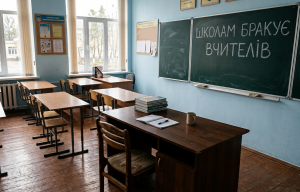
Система оплати праці педагогів потребує комплексного оновлення
Fair Pay for Educators: New Research Calls for Comprehensive Reform of Teachers’ Salaries in Ukraine
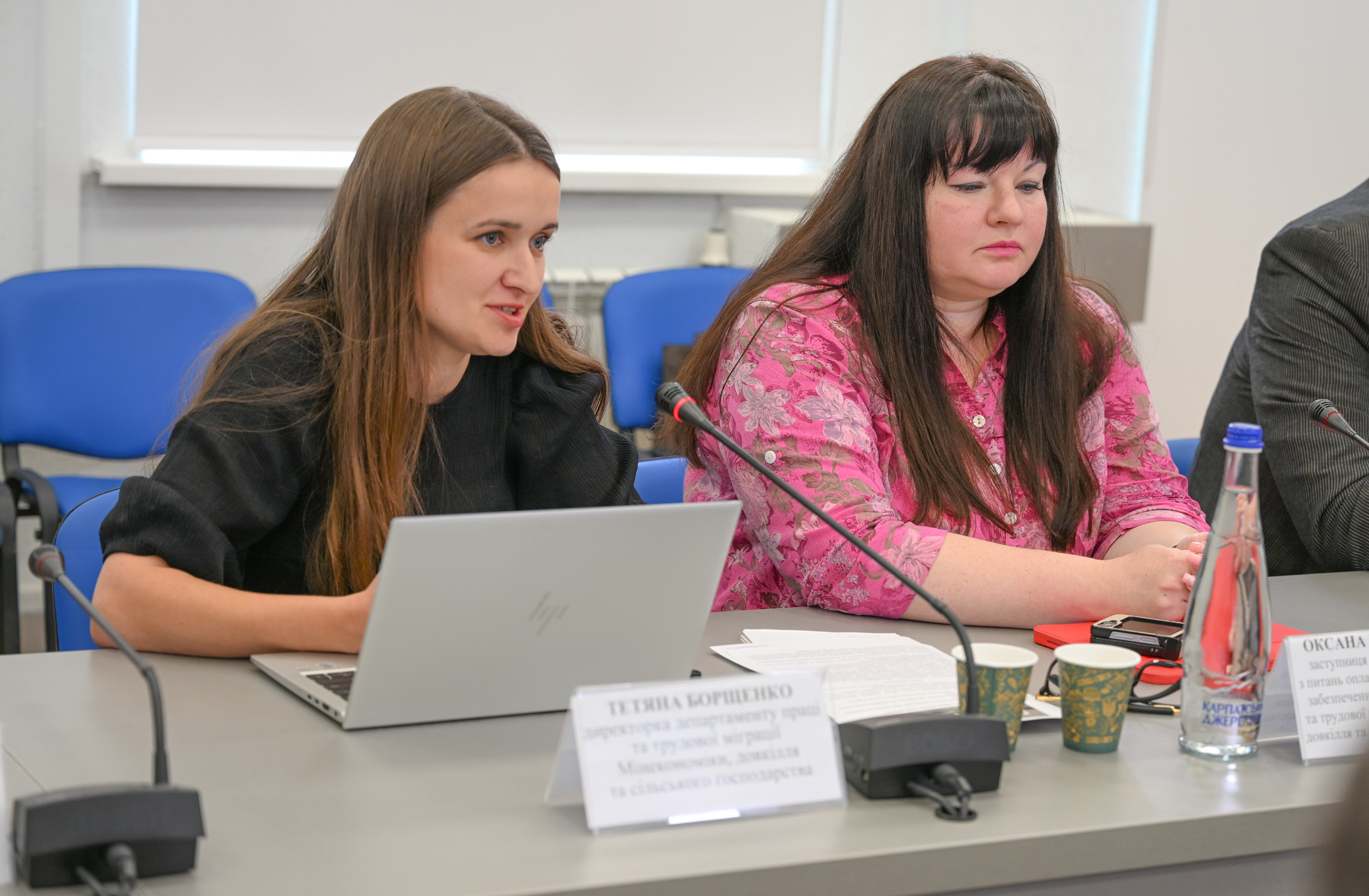
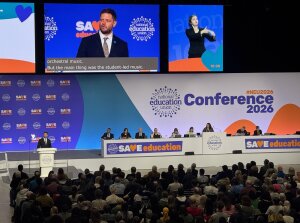
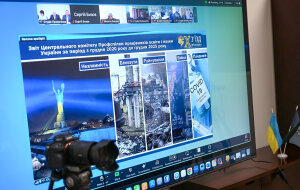
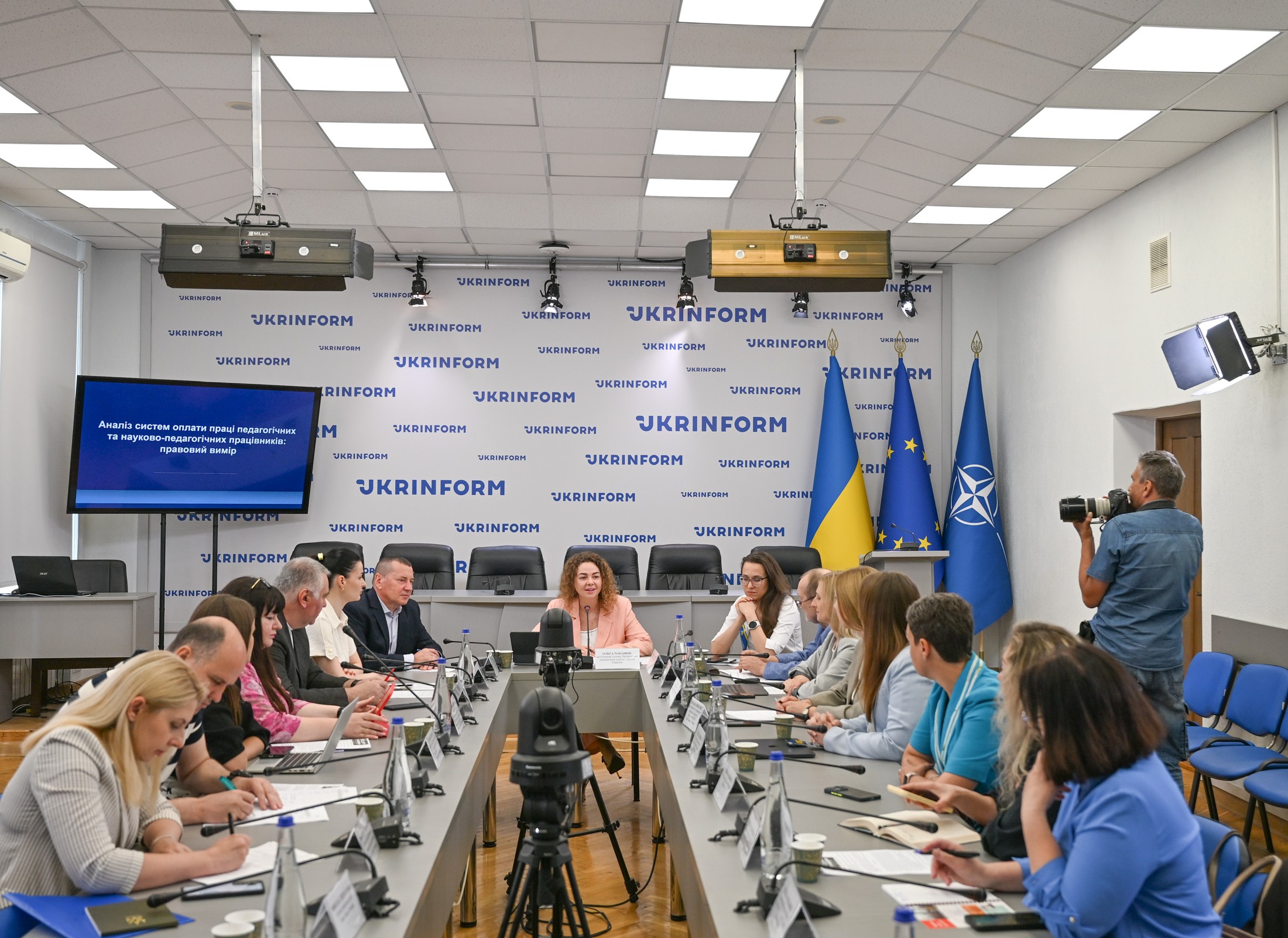 On June 19, 2026, a comprehensive study on the working conditions and pay of education workers in Ukraine was presented at the Ukrainian national news agency “Ukrinform”. The study, titled “Fair Pay for Educators: A New Model”, was conducted as part of a partnership project between the Trade Union of Education and Science Workers of Ukraine and the German Education Union (GEW).
The event brought together representatives of government institutions, social partners, researchers, trade union leaders, educators and the media to discuss one of the most pressing challenges facing Ukraine's education system: ensuring fair and competitive salaries for teachers and academic staff during wartime and throughout the country's future recovery.
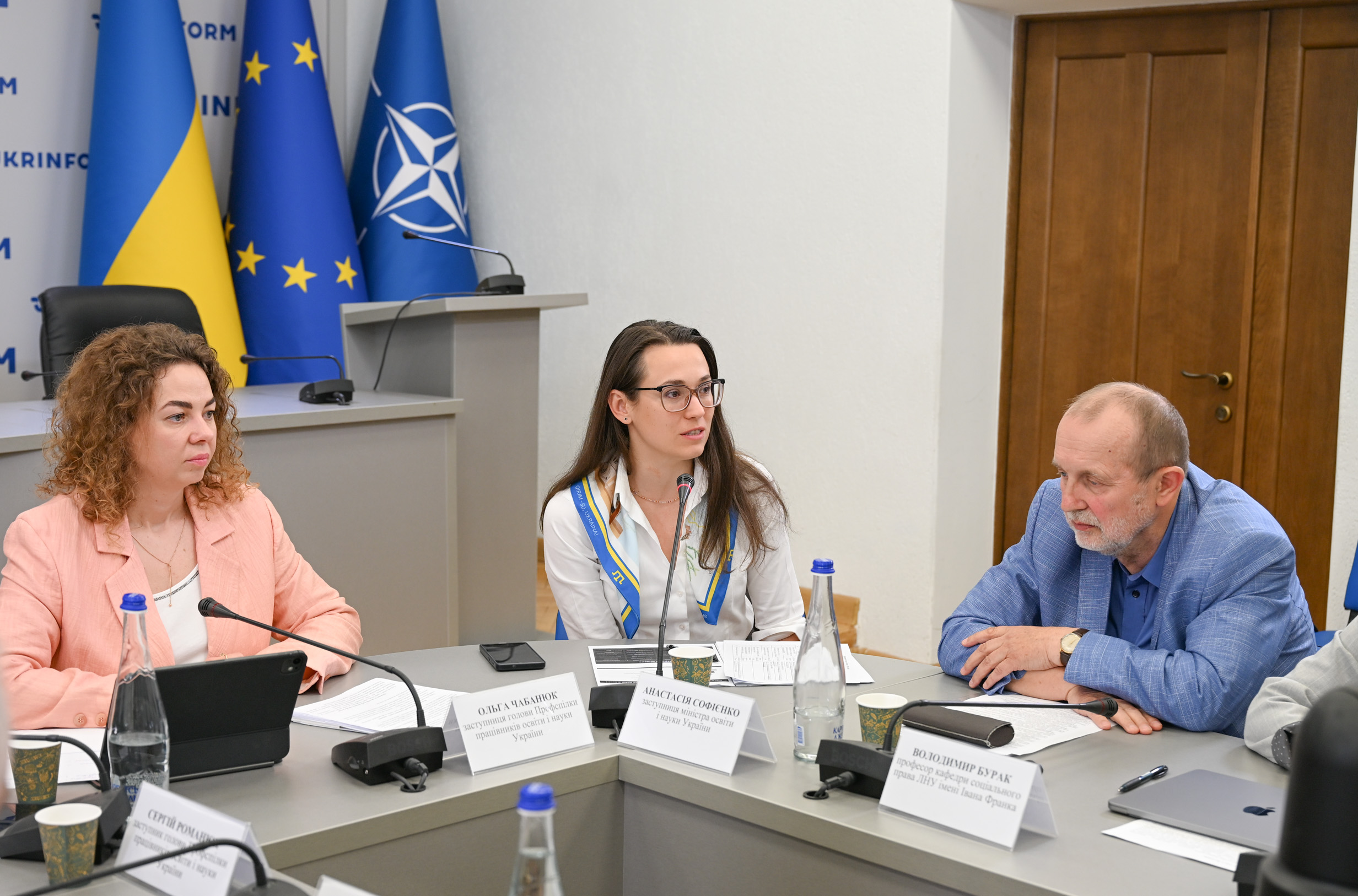
Opening the event, Olha Chabaniuk, Deputy Chair of the Trade Union, stressed that obtaining an independent, evidence-based assessment of educators' pay had been one of the union's priorities.
“The research not only confirms the scale and systemic nature of the challenges that educators have been raising for years, but also provides a solid evidence base and practical recommendations for reform,” she said. “Today we are able to speak not only on behalf of educators, but also through data, analysis and comparative evidence, strengthening social dialogue with the government.”
A comprehensive picture of educators' working lives
Conducted over more than six months, the study combined qualitative and quantitative research methods, including in-depth interviews, a nationally representative public opinion survey of more than 2,000 respondents, and an extensive analysis of educators' working conditions.
Researchers examined Ukraine's current salary system and legal framework governing teachers' remuneration, identified structural weaknesses in the existing model, and analyzed educators' own assessments of their salaries, workload and professional challenges.
The study reaches a clear conclusion: education can only attract and retain qualified professionals if the profession offers not only meaningful work but also decent working conditions and fair remuneration.
Researchers argue that investing in teachers is ultimately an investment in Ukraine's human capital, which will be essential for post-war reconstruction, economic recovery and long-term competitiveness.
Low salaries are a systemic problem
Presenting the findings, researchers from Ivan Franko National University of Lviv emphasized that inadequate remuneration is no longer an isolated labour issue but a systemic challenge affecting the future of the education sector.
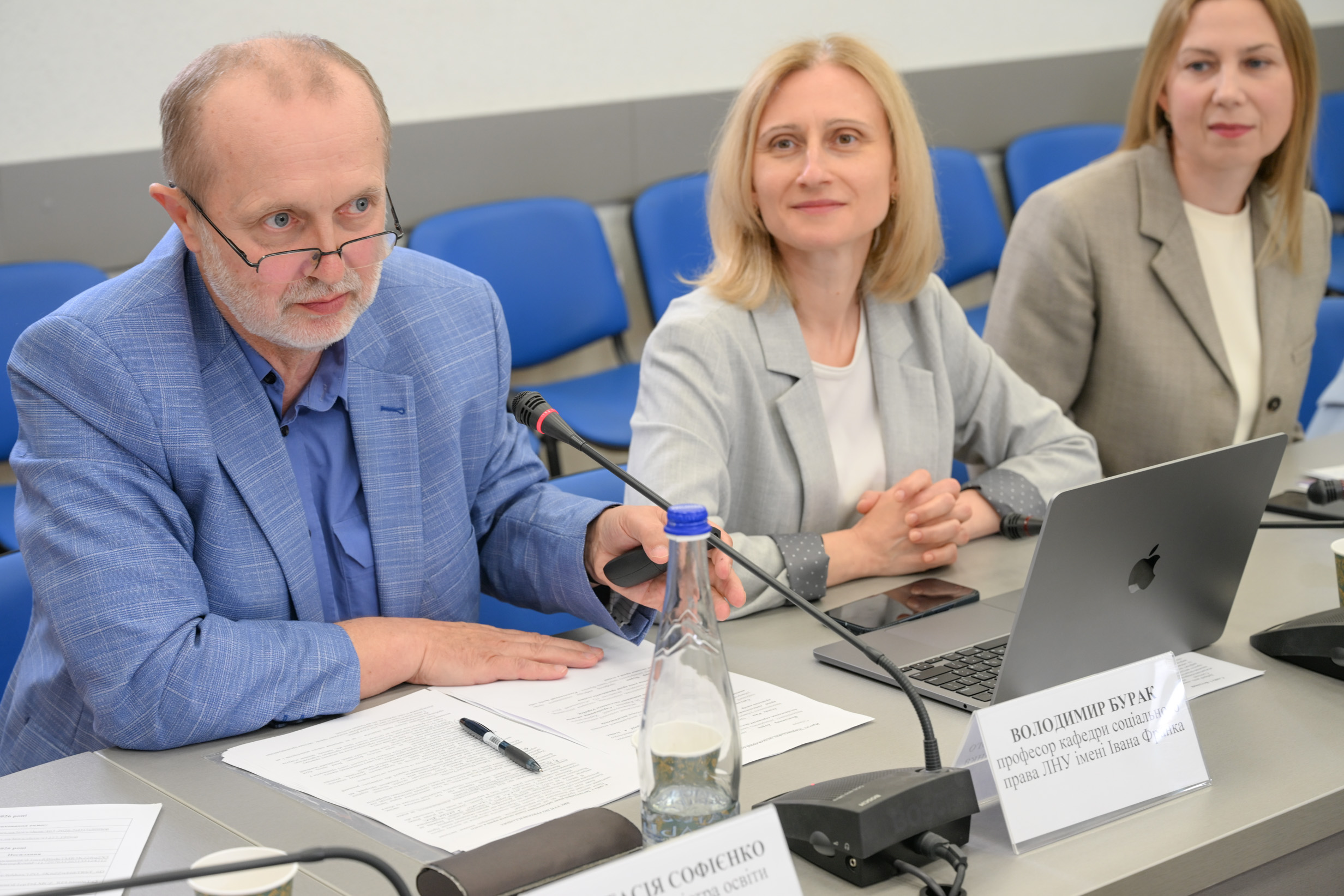
Volodymyr Burak, one of the study's authors, noted that the current salary system provides few incentives for professional development and fails to adequately reward teachers and academic staff. He presented a package of recommendations addressed to the Government of Ukraine, the Ministry of Education and Science, education authorities and trade unions.
According to Burak, improving teachers' salaries requires more than simply increasing base pay.
“A sustainable reform must modernize the entire remuneration system by combining adequate public investment, modern incentive mechanisms and the implementation of existing legal guarantees for educators.”
Professor Olena Rym highlighted another critical consequence of low pay: an ageing workforce and the continuing shortage of young teachers entering the profession.
She stressed that international labour standards recognize educators as highly qualified professionals whose salaries should reflect both their responsibilities and their contribution to society.
"Teachers' salaries should be viewed as an investment rather than a cost," she said. "Competitive remuneration enhances the prestige of the profession, attracts talented graduates and ultimately improves the quality of education."
Economic analysis presented by Svitlana Tsymbaliuk, Dean of the Faculty of Personnel Management, Sociology and Psychology at Kyiv National Economic University, showed a steady deterioration in educators' purchasing power between 2010 and 2025.
According to the research, only a comprehensive reform including stronger legal guarantees, a larger share of base salary within total remuneration, and a modernized salary structure can reverse this trend.
Public opinion strongly supports better pay for teachers
The sociological component of the study, presented by Olena Boiarkina, Director of the research company SocioStream, revealed overwhelming public support for increasing teachers' salaries.
According to the survey:
- 98% of Ukrainians consider teaching to be a socially important profession.
- More than 90% describe it as highly demanding and responsible.
- 91% believe teachers are significantly underpaid.
- Only around 20% think the profession is well remunerated.
- 93% support increasing salaries for teachers and university lecturers as a national policy priority.
- Interestingly, educators themselves expressed more modest salary expectations than the general public.
During in-depth interviews, teachers identified UAH 20,000 as a fair monthly salary, while respondents from other professions believed teachers should earn UAH 40,000–60,000.
Overall, survey participants estimated that a fair monthly salary would be approximately UAH 43,000 for school teachers and UAH 55,000 for university lecturers.
The reality behind the statistics
The research paints a concerning picture of educators' financial situation.
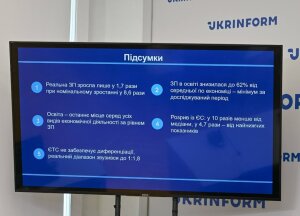
Between 2013 and 2015, teachers' real wages declined by almost 35% during previous economic crises. Following Russia's full-scale invasion, real salaries remain approximately 15% lower than in 2021, despite subsequent adjustments.
Today, average salaries in education amount to only 62% of the national average wage, while Ukraine's current Unified Tariff Scale provides insufficient differentiation between qualification levels and responsibilities.
Researchers also found that teachers regularly work 10 to 14 hours a day, with much of this time remaining unpaid.
Their workload extends far beyond classroom teaching and includes lesson preparation, marking assignments, digital administration, communication with parents, compensating for lessons interrupted by air raid alerts, and particularly in higher education research and administrative duties.
Many educators also face increasing bureaucratic demands, emotional exhaustion and, in some cases, the need to cover classroom expenses from their own income.
The study warns that these conditions are contributing to a growing staffing crisis.
Nearly three-quarters of respondents reported a shortage of young teachers in schools, while more than 55% identified low salaries as the primary reason why graduates choose other professions.
Despite these challenges, the findings also demonstrate broad public recognition that improving teachers' pay is essential not only for education but for Ukraine's future recovery and development.
International Department